The 50 Best Mecha Anime of All Time, Ranked (2026)
Last updated: 2026-05-03 · Entries are ranked by MyAnimeList community score, pulled once and cached so the list stays stable between manual refreshes. Each season is treated as its own entry, matching MAL's catalog. Top-10 blurbs are written by the Anime Facts 101 team and reflect editorial perspective, not raw score order. Last refreshed 2026-05-03. Score data sourced from MyAnimeList community ratings via the Jikan API.
Mecha anime is the genre built on the question: what does it feel like to pilot something that should be too powerful for a human being to control? The answer, at its best, is that it costs everything. The giant robot is rarely just a weapon — it's an extension of the pilot's psychology, a symbol of a political order, or the last desperate hope of a civilization that has run out of other options.
The genre's most enduring works tend to use the mecha as a frame for something else entirely: coming-of-age (Evangelion), political philosophy (Code Geass), the will to keep going when logic says you should stop (Gurren Lagann). The robots are spectacular; the humans inside them are what the show is actually about.
This list is ranked by MyAnimeList community score across every mecha-tagged anime on the site, with editorial blurbs on the top 10 explaining why each one earns its spot. Films and TV series are treated as separate entries the way MAL catalogs them.
- 1

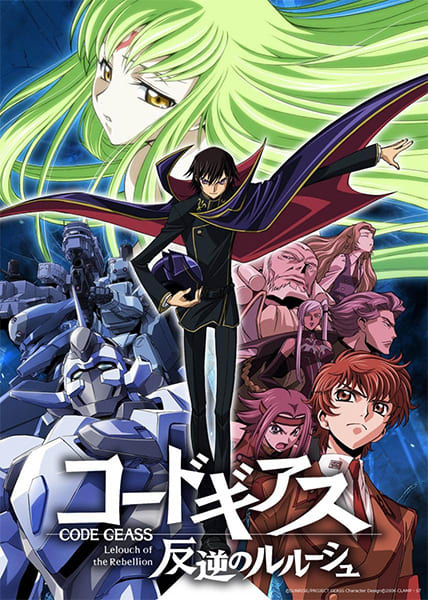
Code Geass: Lelouch of the Rebellion R2
2008 · 25 eps · Score: 8.92
Code Geass R2 tops this list at 8.92 as the conclusion to a mecha-political story that committed fully to its chess-game premise and paid off with one of the most discussed finales in the genre. Lelouch's Zero Requiem is only satisfying if you've tracked the cost of every move he's made across both seasons, and the show does the work to make sure you have. The mecha battles are exceptional; the political drama is what makes them matter.
- 2

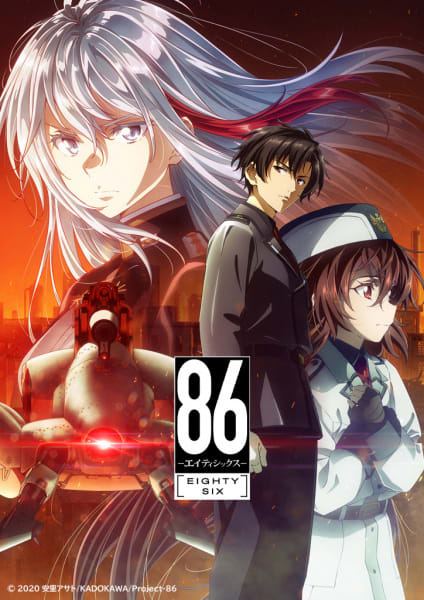
86 Eighty-Six Part 2
2021 · 12 eps · Score: 8.72
86 Eighty-Six Part 2 earns 8.72 as the season where the consequences of the first part's political critique become fully personal. The surviving Eighty-Six processing what it means to have been given permission to exist — and whether to trust it — is more interesting than most mecha shows' action sequences. The mecha combat is there, but the drama is in what the pilots are willing to fight for now that they have a choice.
- 3

Code Geass: Lelouch of the Rebellion
2006 · 25 eps · Score: 8.71
Code Geass Season 1 (8.71) is the setup that makes the R2 ending land — and it's excellent on its own terms. The Knightmare Frame battles are inventively staged, Lelouch's Geass use escalates at exactly the right pace, and the Black Knights' formation from a student rebellion to a genuine military force is one of the more credible political arcs in mecha anime.
- 4

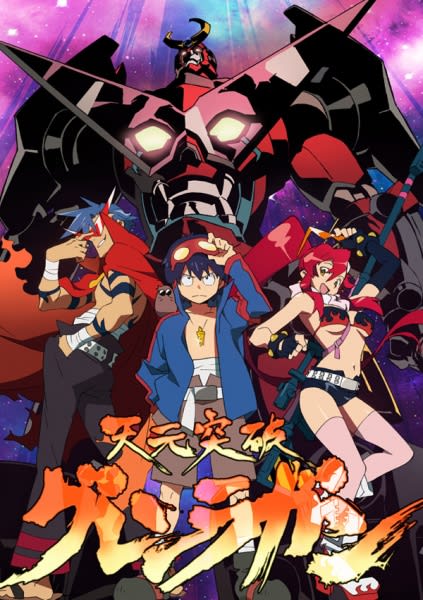
Gurren Lagann
2007 · 27 eps · Score: 8.64
Gurren Lagann (8.64) is the genre's great maximalist statement — a show that understands the mecha tradition deeply enough to escalate beyond it with total sincerity. The Spiral power system is a philosophy as much as a mechanic, and the show uses Simon's arc to argue that belief in yourself is not a cliché but a genuine requirement for survival. It earns its absurdity.
- 5

Gurren Lagann The Movie: The Lights in the Sky are Stars
2009 · 1 ep · Score: 8.61
Gurren Lagann The Movie: The Lights in the Sky are Stars (8.61) is the theatrical version of the second half that many fans consider the definitive cut — tighter, better animated, and with an ending that lands its emotional note cleanly. If you're going to revisit the back half of the series, this is the way to do it.
- 6

Evangelion: 3.0+1.0 Thrice Upon a Time
2021 · 1 ep · Score: 8.58
Evangelion: 3.0+1.0 Thrice Upon a Time (8.58) is the Rebuild conclusion that spent 13 years in production and arrived as something genuinely different from what came before — more forgiving, more direct about what Shinji needs to do, and with an ending that offers something the TV series deliberately withheld. It's divisive, but it's a real creative position rather than a compromise.
- 7

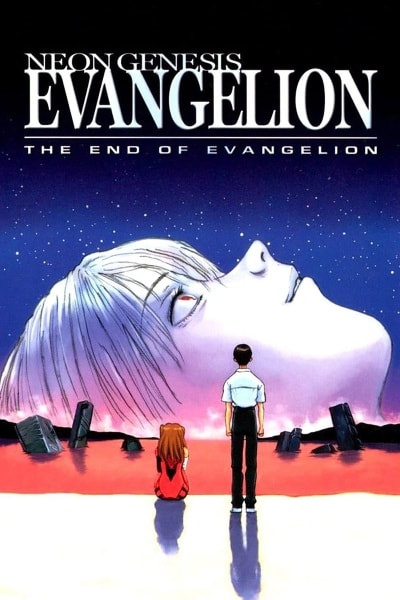
Neon Genesis Evangelion: The End of Evangelion
1997 · 1 ep · Score: 8.57
The End of Evangelion (8.57) is the theatrical finale that Gainax made when they realized the TV ending wasn't the ending the story needed. It is not comfortable to watch — the studio's breakdown during production is visible in the film's texture — but as an expression of what happens when psychological horror and mecha aesthetics fully merge, it has no equivalent.
- 8

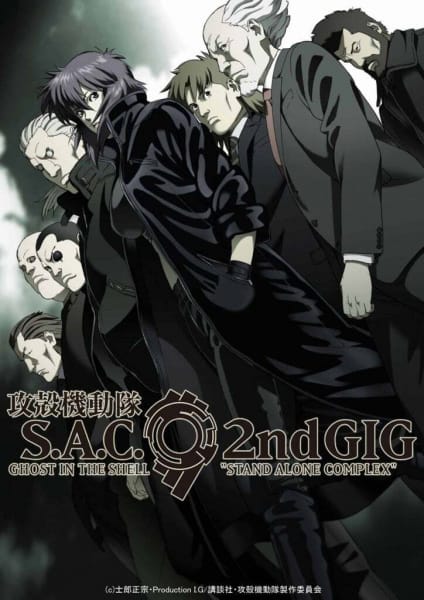
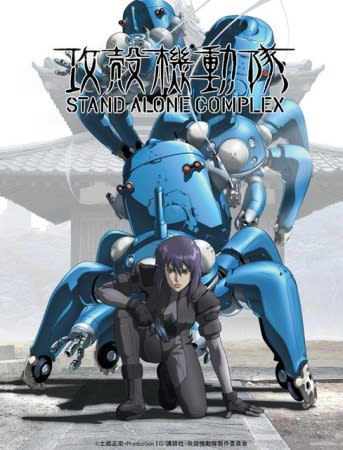
Ghost in the Shell: Stand Alone Complex 2nd GIG
2004 · 26 eps · Score: 8.52
Ghost in the Shell: Stand Alone Complex 2nd GIG (8.52) is cyberpunk mecha that uses the Section 9's Tachikoma fleet and human-piloted Fuchikoma units as the mechanical backdrop for a story about refugee rights, political manipulation, and what it means to have a ghost in a machine. The Individual Eleven arc is one of the densest political thrillers the genre has produced.
- 9

Ghost in the Shell: Stand Alone Complex
2002 · 26 eps · Score: 8.43
Ghost in the Shell: Stand Alone Complex (8.43) established the political and philosophical framework that the second season deepened. The Laughing Man case is a hacker story that holds up as genre craft, and Major Kusanagi's identity questions give the procedural episodes emotional grounding. It's the foundation of a franchise that changed what mecha anime could be about.
- 10

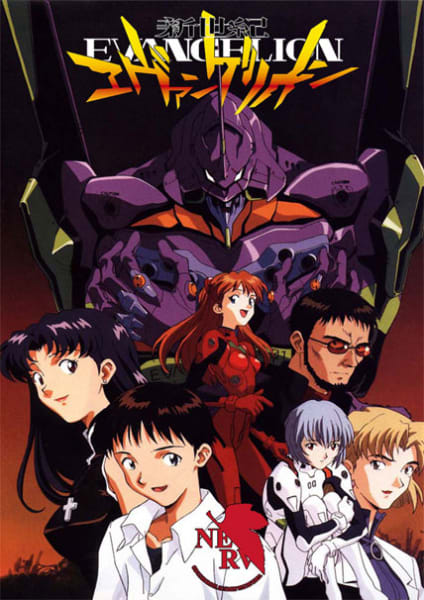
Neon Genesis Evangelion
1995 · 26 eps · Score: 8.37
Neon Genesis Evangelion (8.37) is where Hideaki Anno used the genre's conventions to make something that functions as psychological autobiography — the Angels are anxiety given form, and the EVA units are the only thing standing between a boy who can't function and a world that needs him to. The TV ending is famously polarizing, but the show's influence on every mecha anime that followed is total.